
Obesity
A medical condition of excess body fat harming health.

Diabetes · CC BY-SA 3.0
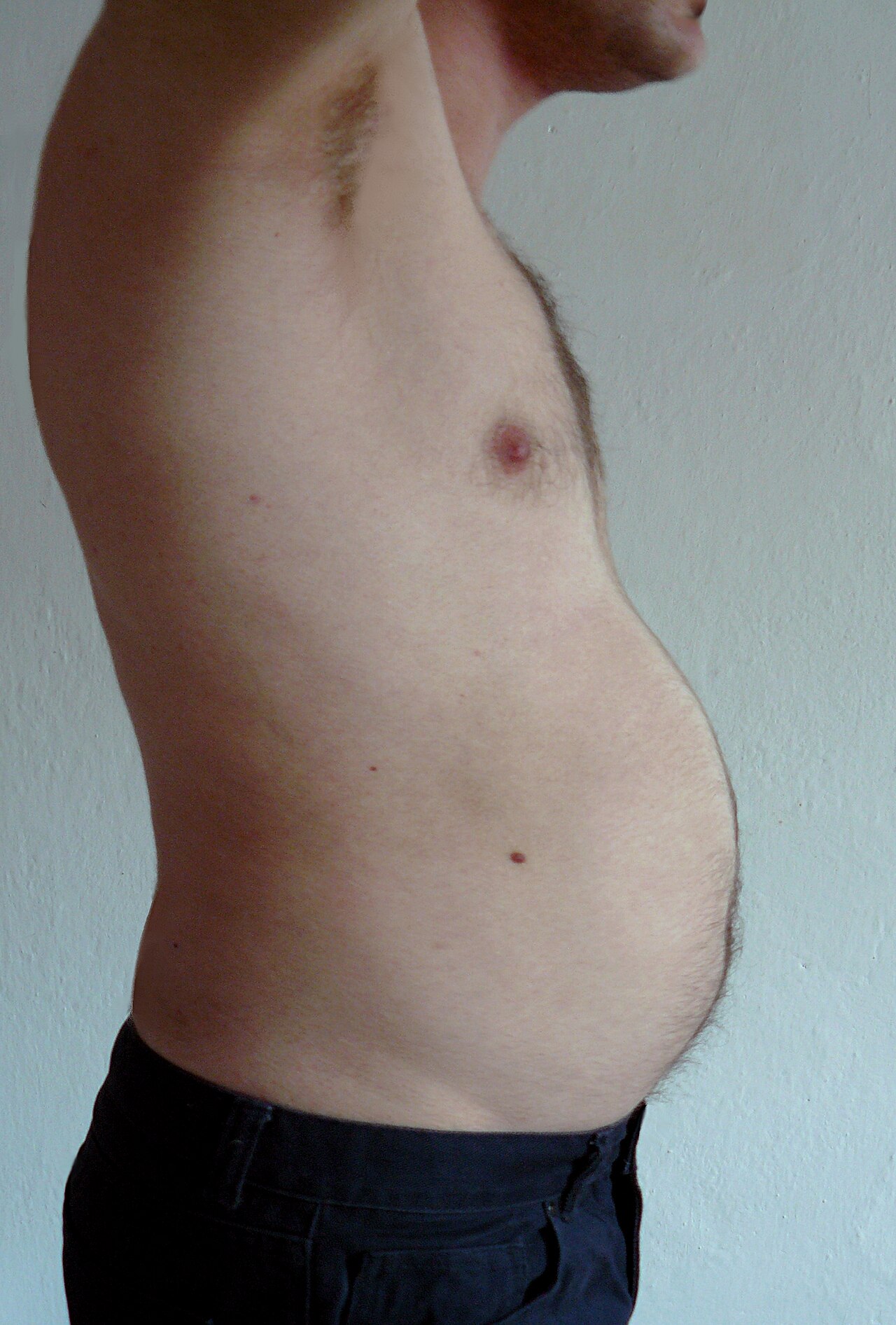
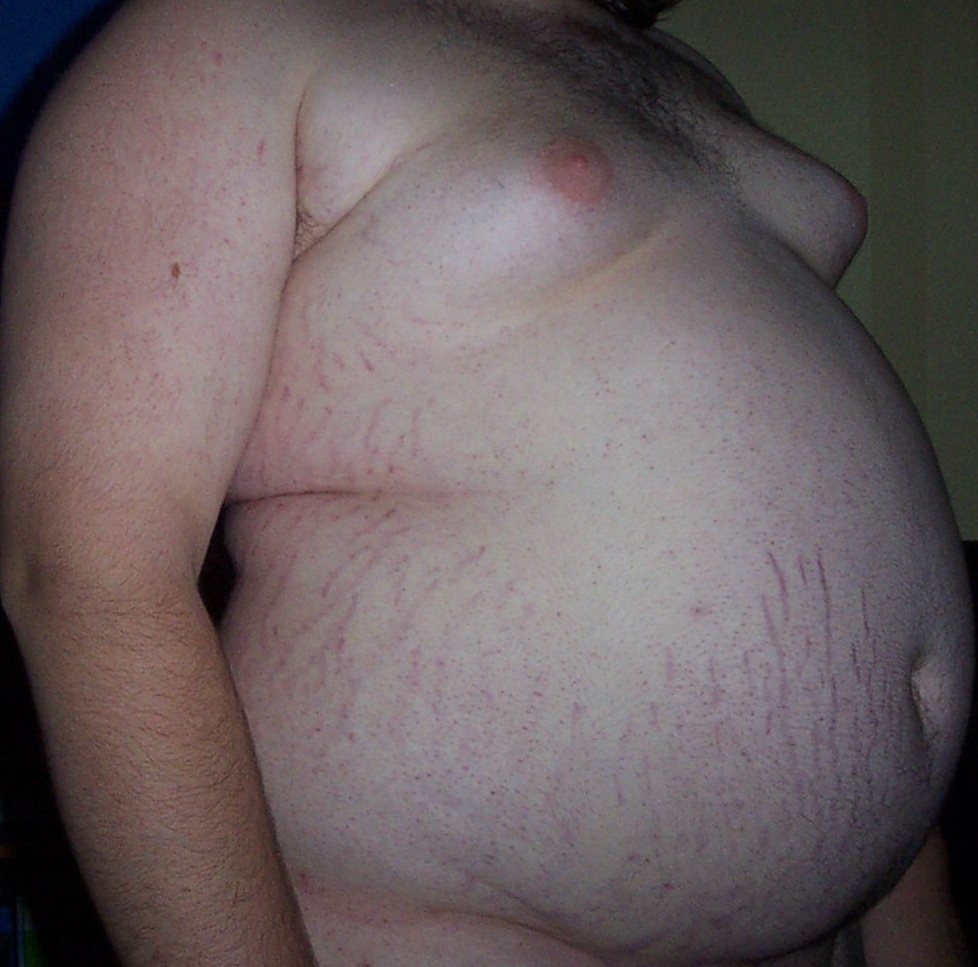
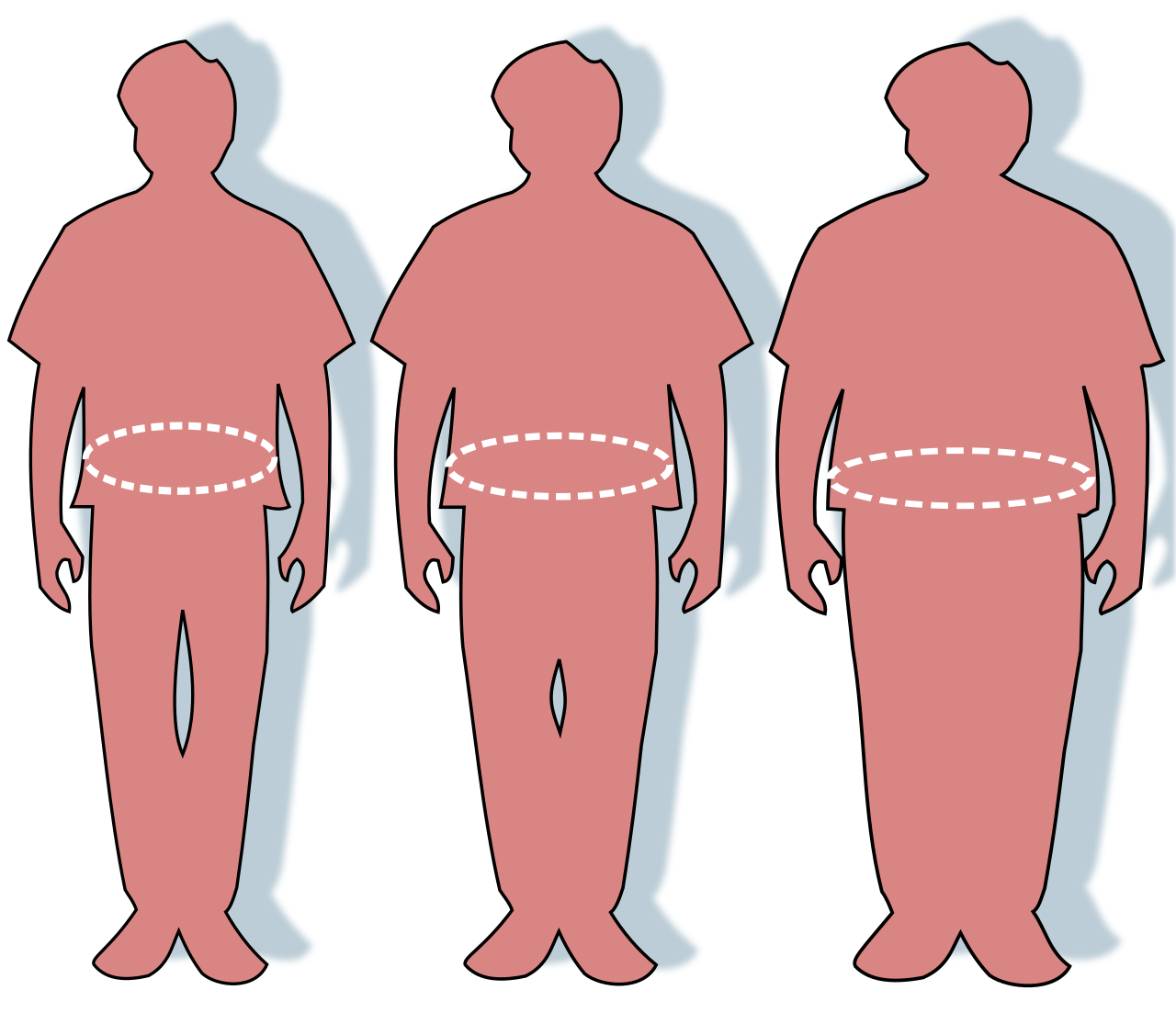
Obesity is a medical condition in which excess body fat has accumulated to such an extent that it can have negative effects on health. It is considered a disease by multiple organizations, including the World Health Organization, the American Medical Association, and others, though classification varies by country—for instance, the UK's NHS and NICE recognize obesity as a medical condition requiring treatment, rather than definitively not classifying it as a disease. Obesity is a major cause of disability and is correlated with various diseases, particularly cardiovascular diseases, type 2 diabetes, obstructive sleep apnea, certain cancers, and osteoarthritis.
- Classification
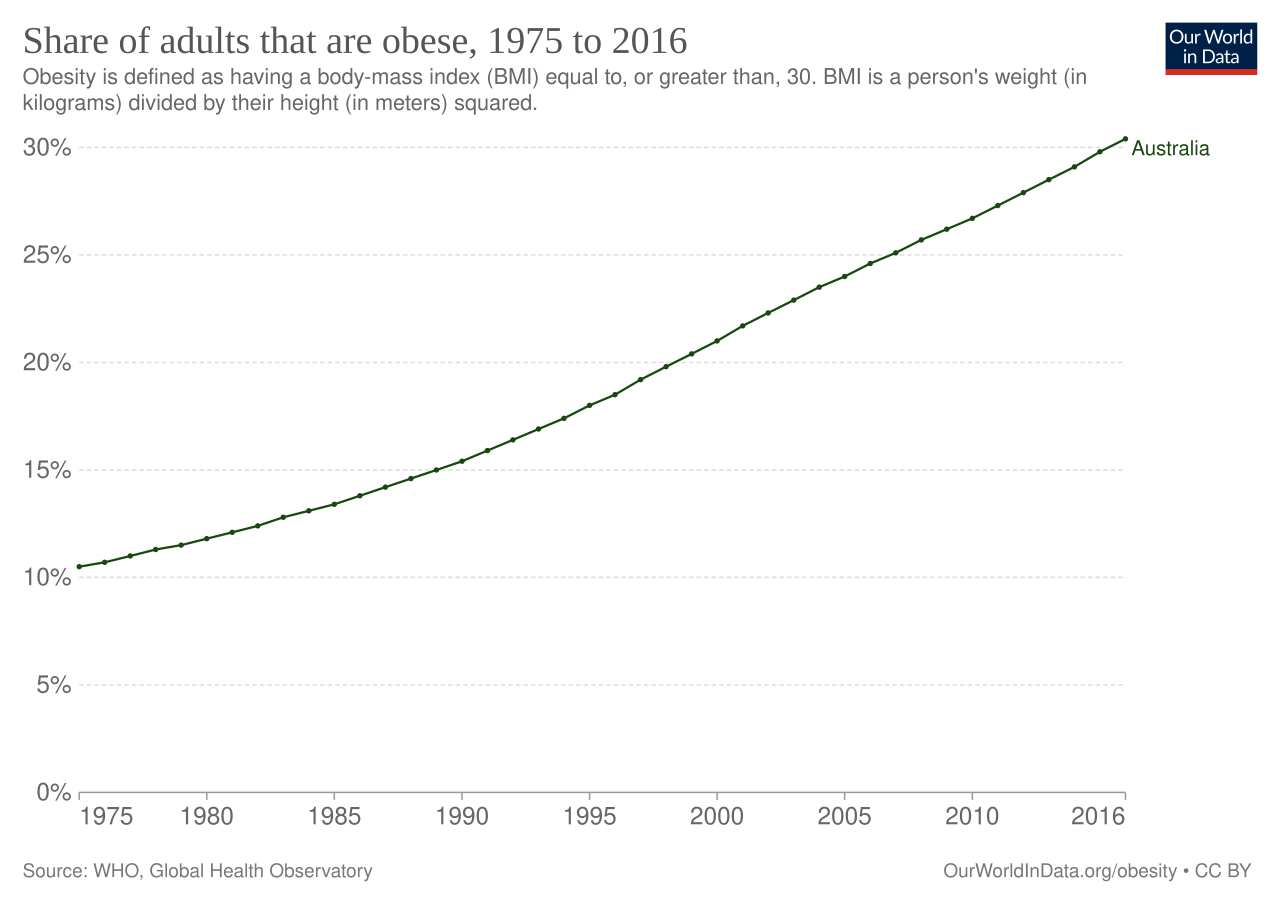
- Body mass index (BMI) ≥ 30 kg/m²; overweight defined as BMI 25–30 kg/m²
- Leading cause of death
- Preventable cause; estimated 2.8 million deaths annually attributed to overweight and obesity (based on earlier WHO data, not a 2021-specific estimate)
- Life expectancy reduction
- 6–7 years on average; severe obesity (BMI ≥ 40) reduces by 10 years
- Gender disparity
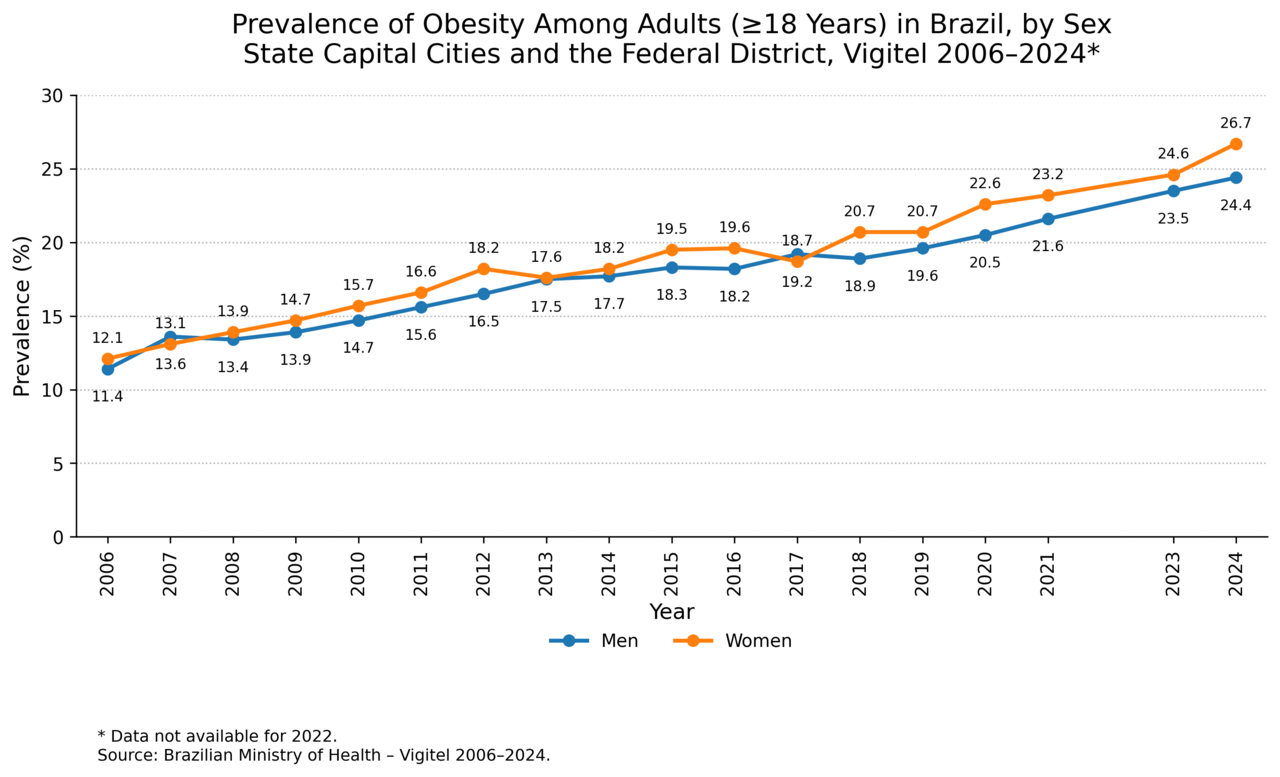
- More common in women than in men
- Key risk factor
- Single strongest risk factor for severe COVID-19 illness (CDC)
Lore & Background
Obesity has individual, socioeconomic, and environmental causes, including diet, low physical activity, automation, urbanization, genetic susceptibility, medications, mental disorders, economic policies, and endocrine disorders. Exposure to endocrine-disrupting chemicals is also a risk factor. While many people with obesity attempt to lose weight and are often successful, maintaining weight loss long-term is rare. Prevention requires a multifaceted approach at medical, societal, community, family, and individual levels. Treatment includes diet changes, exercise, medications to reduce appetite or fat absorption, and, if ineffective, gastric balloon or metabolic surgery, which alters gut hormone secretion.
Reader's Guide
Its significance lies in its strong association with numerous diseases, including type 2 diabetes (underlying 64% of cases in men and 77% in women), cardiovascular disease, and severe COVID-19. The condition is often stigmatized, though some cultures view it favorably as a symbol of wealth and fertility. Classification relies primarily on BMI, but newer metrics like body fat percentage and the Edmonton Obesity Staging System (EOSS) offer more nuanced assessments. Debate persists over BMI's accuracy, as it can misclassify muscular individuals as obese. The World Health Organization emphasizes that obesity is a societal responsibility, requiring accessible, affordable healthy food options. Its legacy includes ongoing medical and public health efforts to address its complex causes and reduce its global burden.
Did You Know?
- Some East Asian countries use lower BMI thresholds to define obesity; Japan defines obesity as BMI > 25 kg/m², China as BMI > 28 kg/m².
- While some NFL players may have a high BMI due to muscle mass, body fat percentages vary widely by position, and the claim that more than half are 'obese' by BMI with a mean 14% body fat is an overgeneralization not cons
- Obesity reduces life expectancy by six to seven years on average; severe obesity (BMI ≥ 40) reduces it by ten years.
- The Edmonton Obesity Staging System (EOSS) supplements BMI by incorporating medical, functional, and mental-health factors.
The Affluence Paradox
Obesity has long been cataloged among what public health scholars call the diseases of affluence, a grouping sometimes dubbed the Western disease paradigm. These conditions, which include type 2 diabetes, coronary heart disease, hypertension, asthma, and various cancers, are generally understood to emerge from the very markers of economic progress: abundant calories, sedentary routines, and industrialized food systems. They stand in sharp contrast to the diseases of poverty, which are typically infectious or stem from inadequate housing and sanitation, such as tuberculosis, malaria, and intestinal infections. The prevalence of these affluence-linked conditions surged dramatically after the close of World War II, as industrialized nations restructured their economies around manufacturing, motorized transport, and mass-produced food. What makes the category particularly troubling is its internal web of causality. Obesity is not merely one entry on the list; it is widely regarded as a contributing factor to several others, including cardiovascular disease and type 2 diabetes. Some scholars even extend the umbrella to encompass depression and psychological distress tied to the social isolation observed in many wealthy societies, suggesting that the costs of prosperity reach well beyond the physical body.
The Sedentary Revolution
The drivers behind obesity and its companion conditions trace directly to the technological and economic transformations of the twentieth century. Motorized vehicles replaced walking and manual labor as the default mode of transport, while the rise of desk-bound office work eliminated the physical exertion that once characterized most employment. Simultaneously, the food landscape shifted dramatically: where a subsistence economy offered limited caloric availability, modern societies provide easy, low-cost access to vast quantities of food. Diets grew richer in vegetable oils, added sugars, meat, dairy, and refined grains such as white bread and white rice, while seasonal, locally prepared fresh meals gave way to processed, commercially packaged products. A striking historical illustration is beriberi, a thiamin-deficiency syndrome once confined to the wealthy in East Asia because white rice, stripped of its nutrient-rich bran, was a luxury few could afford. The invention of motorized rice-polishing machinery eventually made that luxury, and the disease it carried, available to the masses. Prolonged inactivity, increased alcohol and tobacco use, and longer overall lifespans further compound the risk.
The Cascade Effect
One of the most consequential aspects of obesity is its role as a catalyst for a cascade of secondary conditions. Rather than existing in isolation, excess weight is understood to be a partial driver of type 2 diabetes, coronary heart disease, cerebrovascular disease, and peripheral vascular disease, among others. The diabetes connection alone is staggering: the World Health Organization reports that global prevalence more than quadrupled between 1980 and 2014, rising from 4.7 percent to 8.5 percent of the population, with 422 million adults now living with the condition. Diabetes is a leading contributor to blindness, kidney failure, heart attacks, strokes, and lower-limb amputations. In the United States, a 2015 CDC report found that over 100 million Americans had diabetes or pre-diabetes, and the disease ranked as the seventh leading cause of death that year. The burden is not evenly distributed: prevalence is higher among adults with less than a high school education and lower incomes, with the highest concentrations in the southeastern and Appalachian regions. Globally, the WHO recorded 55.4 million deaths in 2019, more than half attributable to the top ten causes, seven of which were non-communicable diseases.
The Global Convergence
Perhaps the most unsettling development in the story of obesity and its related conditions is their migration beyond the affluent world. As infectious diseases recede, life expectancy climbs, and lifestyles in developing nations shift toward urbanization and processed diets, the diseases once labeled as markers of wealth are now taking root in low- and middle-income countries. In 2008, nearly 80 percent of all deaths from non-communicable diseases, including heart disease, strokes, chronic lung conditions, cancers, and diabetes, occurred in these lower-income regions. By 2021, that share had edged down to 73 percent, but the absolute burden remains enormous. Complicating the picture further, growing research reveals that obesity and cardiovascular disease are no longer exclusive to the wealthy; they appear in significant numbers among impoverished populations as well. When these conditions overlap with persistent infectious diseases like tuberculosis and malaria, the result is a compounding of global health inequalities that neither the old paradigm of poverty nor the old paradigm of affluence can adequately describe. The clean binary between rich people's diseases and poor people's diseases is, in practice, dissolving.
Gallery

Frequently Asked Questions
Who is Obesity?
Obesity is a recognized medical condition defined by the buildup of excess body fat to a degree that begins to impair overall health. Major bodies such as the WHO and the AMA officially classify it as a disease, while some national systems like the UK's NHS frame it as a treatable medical condition rather than applying a strict disease label.
What are Obesity's powers/role?
Within the body's broader health narrative, obesity functions as a major upstream driver of disability and is strongly correlated with cardiovascular disease, type 2 diabetes, and numerous other chronic complications. It amplifies the severity of downstream conditions, effectively acting as a multiplier of risk across multiple organ systems.
How does Obesity's story end?
There is no single fixed ending, but the condition can be managed or reversed through lifestyle changes, medical interventions, and in severe cases, bariatric surgery. Because it is classified as a preventable cause of death, the narrative can be redirected well before it reaches its most damaging chapters.
What's Obesity's official classification?
The standard diagnostic threshold is a body mass index of 30 kg/m² or higher, while a BMI between 25 and 30 falls into the overweight category. Severe obesity is identified at a BMI of 40 or above and is associated with a life-expectancy reduction of about ten years, compared to the average six-to-seven-year decrease seen at lower severity levels.
More in Diseases And Conditions 1-15
Spotted an error? Know more?
This is a living reference — every entry is fact-audited, and reader corrections feed straight into our audit queue. Suggest an edit · See this site's audit record