
Pneumonia
Inflammatory lung condition primarily affecting alveoli, caused by infection.

Nephron · CC BY-SA 3.0
Pneumonia is an inflammatory condition of the lung primarily affecting the small air sacs known as alveoli. It is usually caused by infection with viruses or bacteria, and less commonly by other microorganisms. The severity of the condition is variable, and it remains a leading cause of death in developing countries, as well as among the very old, the very young, and the chronically ill.
- annual_deaths
- about 4 million
- common_cause
- bacteria (e.g., Streptococcus pneumoniae) and viruses
- risk_factors
- smoking, immunodeficiency, COPD, asthma, diabetes, heart failure, sickle cell disease
- prevention
- vaccines, hand washing, not smoking
- treatment
- antibiotics for bacterial cases; oxygen therapy if oxygen levels are low
Lore & Background
Pneumonia is an inflammatory condition of the lung primarily affecting the small air sacs known as alveoli. Symptoms typically include some combination of productive or dry cough, chest pain, fever, and difficulty breathing. The severity of the condition is variable. Diagnosis is often based on symptoms and physical examination, with chest X-rays, blood tests, and culture of the sputum helping to confirm the diagnosis. The disease may be classified by where it was acquired, such as community- or hospital-acquired or healthcare-associated pneumonia.
Reader's Guide
With the introduction of antibiotics and vaccines in the 20th century, survival has greatly improved. Nevertheless, pneumonia remains a leading cause of death in developing countries, and also among the very old, the very young, and the chronically ill. Vaccines to prevent certain types of pneumonia (such as those caused by Streptococcus pneumoniae bacteria, influenza viruses, or SARS-CoV-2) are available. Treatment depends on the underlying cause; pneumonia believed to be due to bacteria is treated with antibiotics. If the pneumonia is severe, the affected person is generally hospitalized. Oxygen therapy may be used if oxygen levels are low. The condition's significance lies in its widespread impact and the continued need for prevention and effective treatment, especially in vulnerable populations.
Did You Know?
- Pneumonia is usually caused by infection with viruses or bacteria, and less commonly by other microorganisms.
- In an active surveillance study, 62% of patients with community-acquired pneumonia had no detectable pathogens in their sample.
- Pneumonia caused by Streptococcus pneumoniae is associated with rusty colored sputum.
- Vaccines are available to prevent certain types of pneumonia, including those caused by Streptococcus pneumoniae, influenza viruses, or SARS-CoV-2.
The Organism and Its Vulnerable Hosts
Pneumocystis jirovecii is a yeast-like fungus that lurks quietly in the lungs of a large portion of the general population. More than three-quarters of children carry antibodies to this organism by the age of four, and the pathogen has been documented on every continent except Antarctica. Under normal circumstances, however, it causes no harm. The trouble begins when the immune system falters. PCP strikes individuals whose CD4-positive T-cell defenses have been eroded—whether by HIV/AIDS (responsible for roughly thirty to forty percent of all cases), by immunosuppressive medications, by cancer, autoimmune or inflammatory disorders, or by chronic lung disease. Premature infants, severely malnourished children, the elderly, transplant recipients, and babies with hyper IgM syndrome all sit in the high-risk category. Because the organism is so widespread and so well tolerated by healthy lungs, PCP is fundamentally a disease of immune compromise rather than of the pathogen's own virulence.
The Unfolding of Symptoms and Their Complications
PCP rarely announces itself with a single dramatic event. Instead, the signs creep in over days or even weeks: a gradually worsening shortness of breath, persistent fever, a notably dry and non-productive cough, unexplained weight loss, drenching night sweats, chills, and a deep fatigue that does not lift. The dry cough is a hallmark that sets PCP apart from more typical bacterial pneumonias, because the sputum produced becomes so thick and viscous that it cannot be expectorated. In rarer instances the infection spreads beyond the lungs to involve the liver, spleen, or kidneys. When the disease runs its course unchecked, two serious complications loom. A pneumothorax—air escaping into the pleural space—is a well-recognized sequela. In the most severe presentations, patients develop a picture resembling acute respiratory distress syndrome, with gas exchange collapsing to the point where mechanical ventilation and intubation become necessary to keep them alive.
The Devastation of the Alveolar Architecture
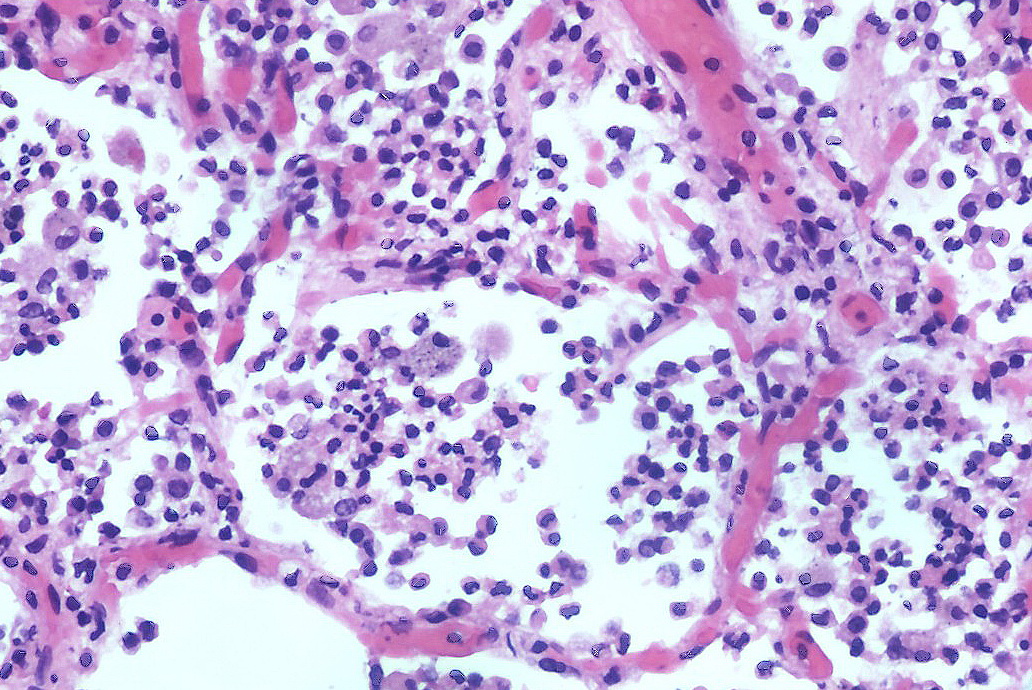
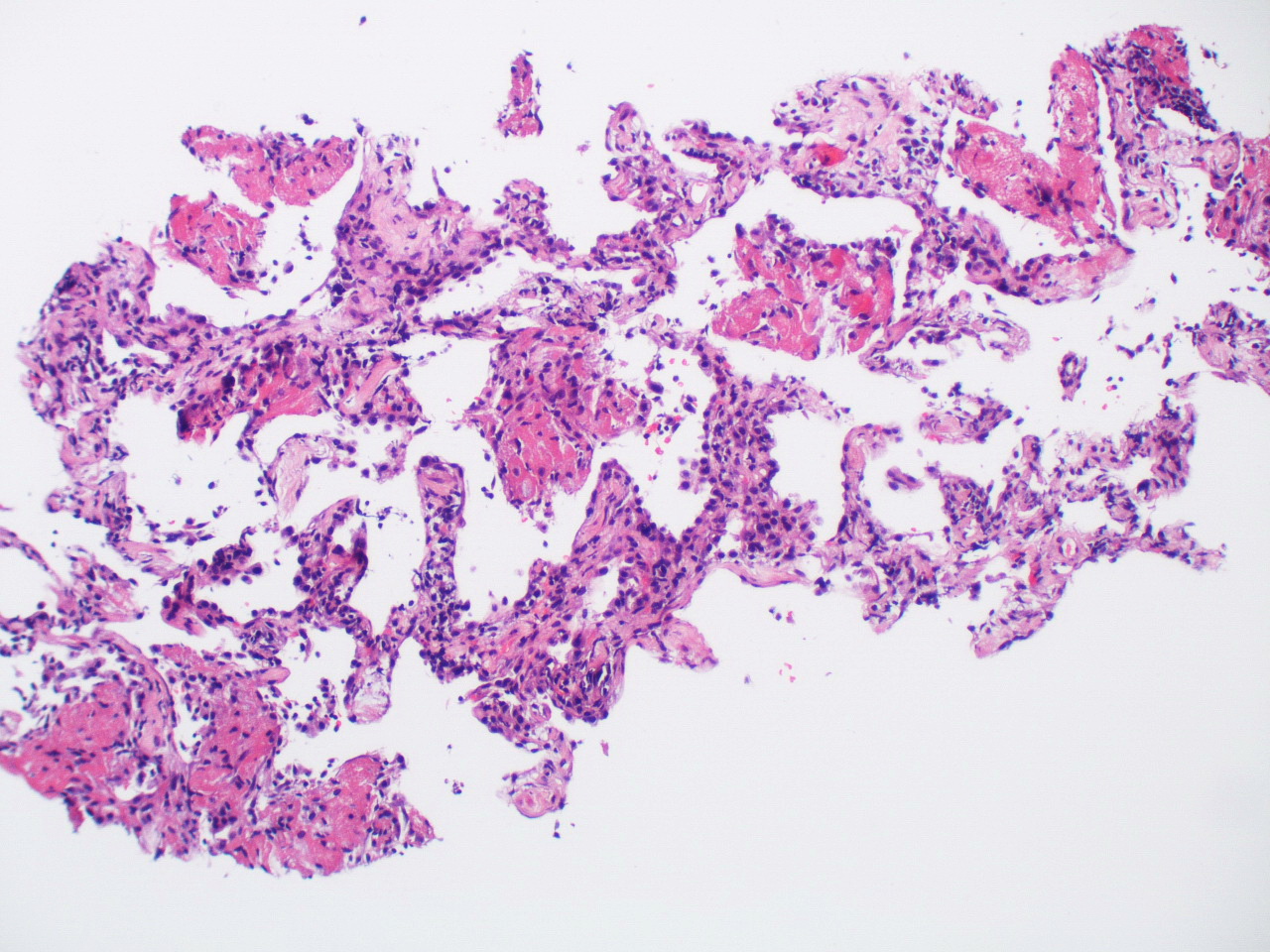
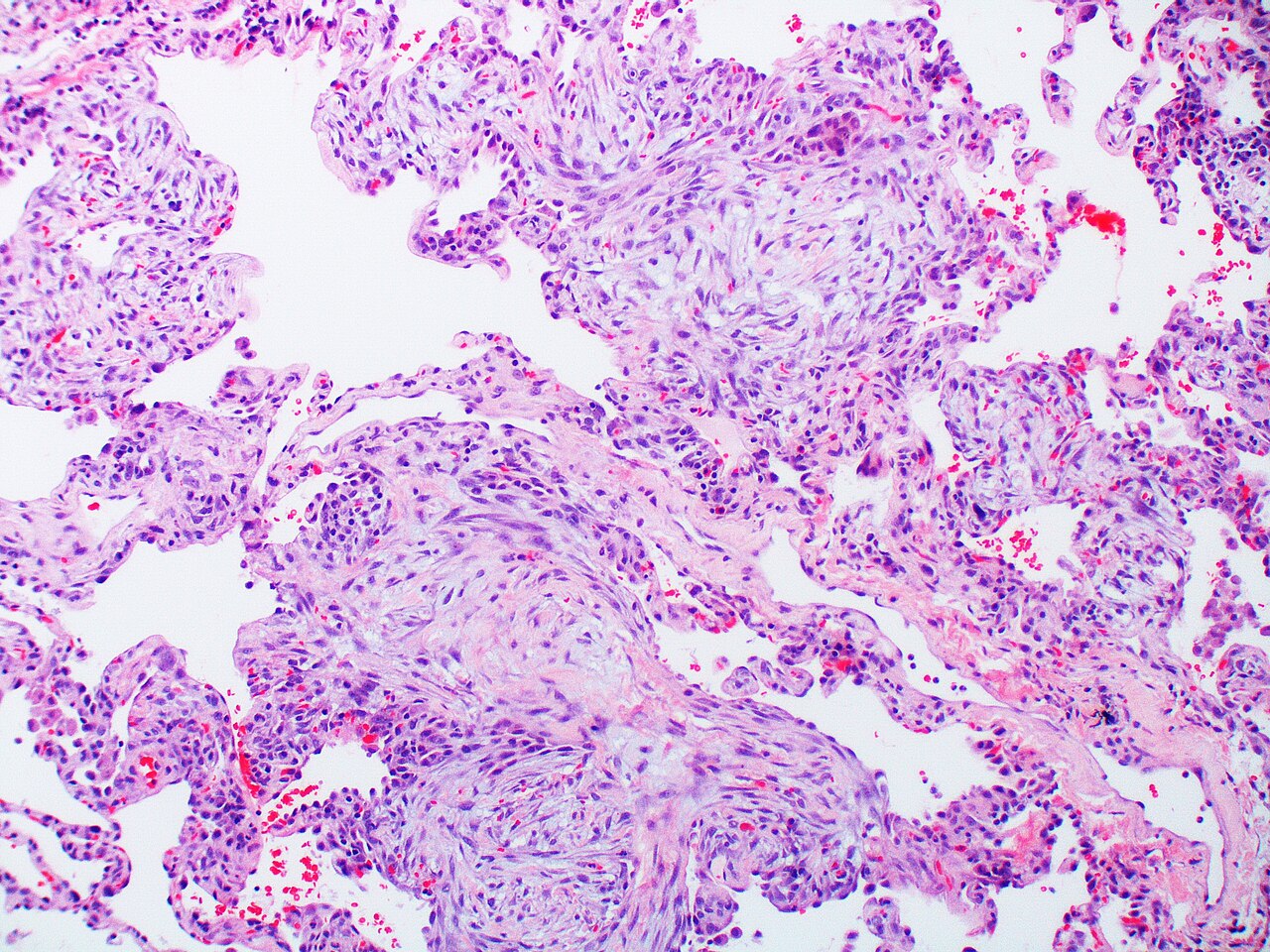
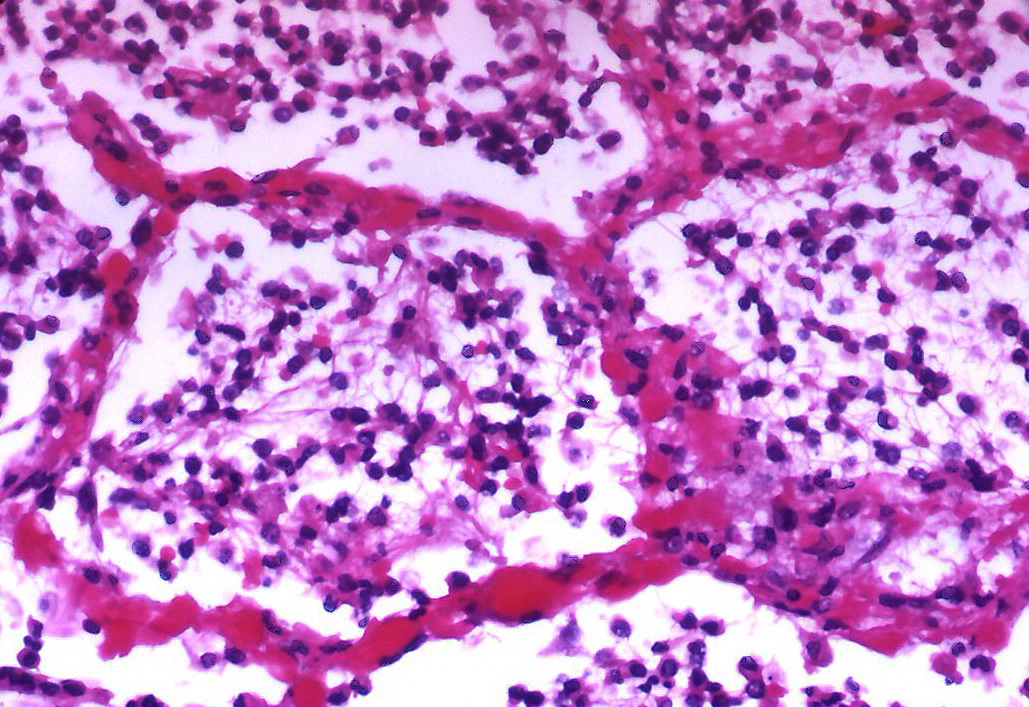
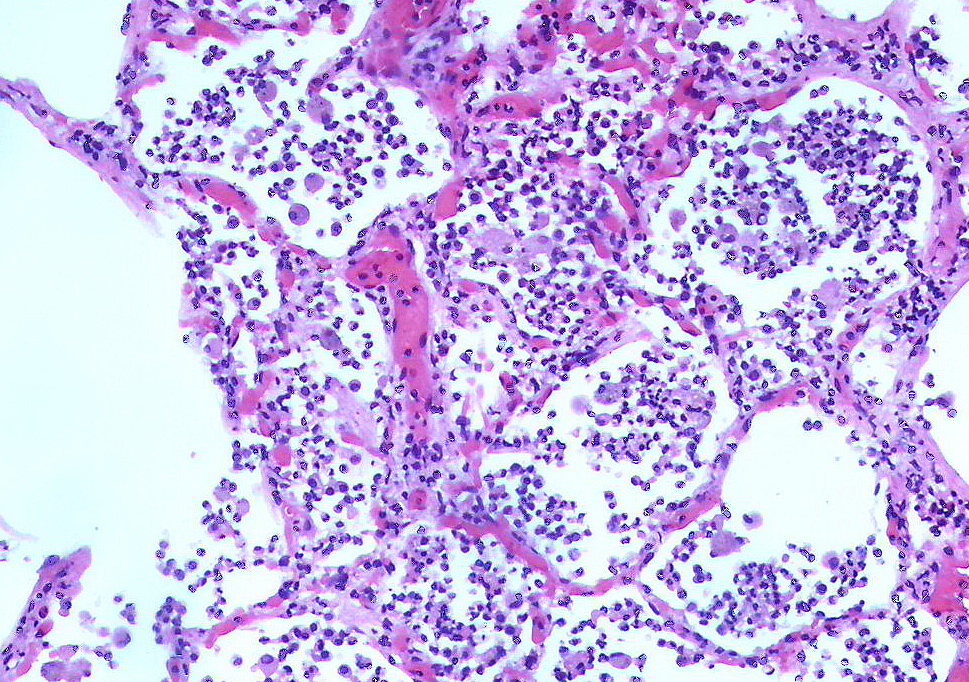
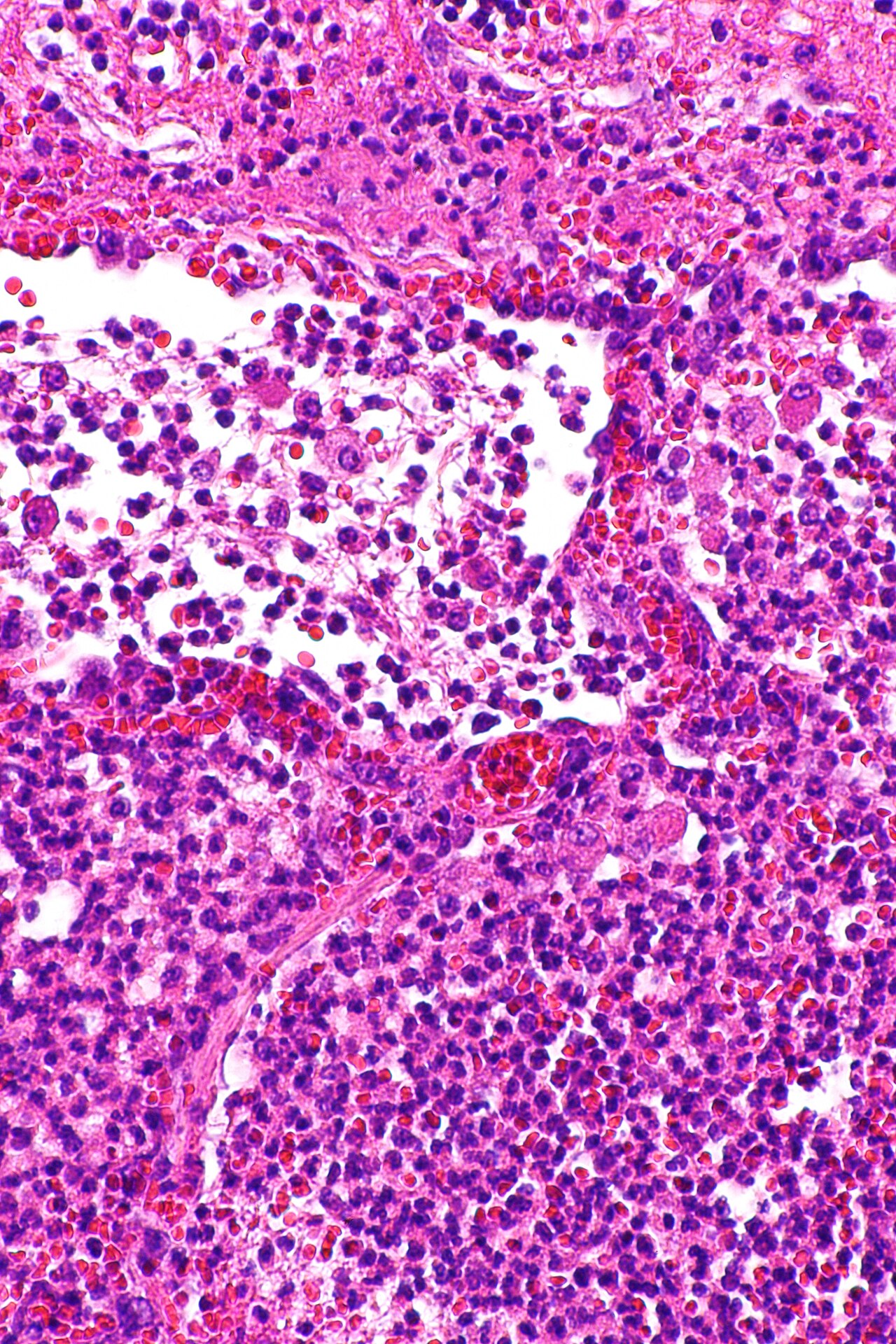
At the cellular level, PCP is a siege on the structural scaffolding of the lungs. The fungus targets the interstitial fibrous tissue, triggering marked thickening of the alveolar septa and the alveoli themselves. This architectural distortion severely impairs the diffusion of oxygen into the bloodstream, producing significant hypoxia that can prove fatal without aggressive intervention. Lactate dehydrogenase levels climb as tissue damage accelerates, and the rising arterial carbon dioxide triggers a compensatory hyperventilatory drive that patients experience as relentless breathlessness. The risk of this cascade escalates sharply once CD4-positive T-cell counts drop below four hundred cells per microliter. Adding a layer of complexity, symptomatic cases of P. jirovecii pneumonia have been linked to a co-infection with trichomonads—unicellular flagellated protists of the family Trichomonadidae. These parasites can shift into an amoeboid form lacking flagella, making them notoriously difficult to identify under a microscope and leaving their precise role in disease progression still conjectural.
Finding the Pathogen and Fighting Back
Confirming a PCP diagnosis is a multi-step process. A chest X-ray typically reveals widespread pulmonary infiltrates, and the arterial oxygen level is strikingly lower than the clinical picture would suggest. Gallium-67 scans are abnormal in about ninety percent of cases and can turn positive before radiographic changes appear. Definitive confirmation requires identifying the organism in sputum or bronchoalveolar lavage fluid. Specialized stains—toluidine blue, silver, periodic acid-Schiff, or immunofluorescence—reveal cysts that look like crushed ping-pong balls clustered in groups of two to eight. A lung biopsy shows thickened septa with a fluffy eosinophilic exudate. PCR-based molecular analysis and a blood test for β-D-glucan have added further diagnostic tools. Treatment centers on trimethoprim/sulfamethoxazole for roughly twenty-one days, paired with steroids to blunt the inflammatory flare that typically worsens symptoms around day four. Alternatives include pentamidine, dapsone, atovaquone, primaquine, clindamycin, and trimetrexate, though pentamidine carries a heavy side-effect burden ranging from pancreatic inflammation to kidney failure.
Gallery
Frequently Asked Questions
Who is Pneumonia?
Pneumonia is an inflammatory condition that targets the alveoli, the tiny air sacs responsible for gas exchange in the lungs. It is most often triggered by viral or bacterial infections, though other microorganisms can occasionally be responsible.
What are Pneumonia's powers/role?
Pneumonia inflames the alveoli, disrupting normal oxygen transfer and causing the lungs to fill with fluid or pus. Its severity ranges from mild to life-threatening, and it varies widely from one case to another.
How does Pneumonia's story end?
Bacterial cases are typically resolved with a course of antibiotics, while patients with dangerously low oxygen levels may need supplemental oxygen therapy. Long-term prevention relies on vaccination, regular hand hygiene, and avoiding smoking.
Who are Pneumonia's known associates?
Common bacterial culprits include Streptococcus pneumoniae, and a variety of viruses also play a role in triggering episodes. Underlying conditions such as smoking, immunodeficiency, COPD, asthma, diabetes, heart failure, and sickle cell disease make a person far more vulnerable to its effects.
More in Diseases And Conditions 1-15
Spotted an error? Know more?
This is a living reference — every entry is fact-audited, and reader corrections feed straight into our audit queue. Suggest an edit · See this site's audit record