
Schizophrenia
A chronic mental disorder with psychotic symptoms and cognitive deficits.

cometstarmoon · CC BY 2.0
Schizophrenia is a mental disorder characterized by hallucinations, delusions, disorganized thinking or behavior, and flat or inappropriate affect. Symptoms develop gradually, typically beginning during young adulthood, and diagnosis is based on observed behavior and reported experiences. The disorder affects about 0.3% to 0.7% of people over their lifetime, with an estimated 24 million cases globally in 2022.
- lifetime_prevalence
- 0.3% to 0.7%
- global_cases_2022
- 24 million
- new_cases_2017
- 1.1 million
- suicide_rate
- about 5% overall
- life_expectancy_reduction
- 20 to 28 years
Lore & Background
Schizophrenia is marked by positive symptoms such as hallucinations and delusions, negative symptoms including blunted affect and avolition, and cognitive deficits affecting memory and reasoning. Hallucinations occur in 80% of those with schizophrenia, most commonly auditory. Negative symptoms are less responsive to medication and include apathy, anhedonia, and social withdrawal. Cognitive deficits are present in about 70% of individuals and often precede the onset of psychosis.
Reader's Guide
Schizophrenia is a significant mental disorder due to its chronic nature and impact on functioning. About half of those diagnosed experience marked long-term improvement, while the other half face lifelong impairment. Social problems such as unemployment, poverty, and homelessness are commonly correlated. Treatment primarily involves antipsychotic medication, with clozapine being the most effective overall, though up to a third do not respond to initial antipsychotics. Negative symptoms remain difficult to treat, and cognitive deficits are core features that predict functional outcome better than positive symptoms. The disorder's causes include genetic and environmental factors, and its prevalence is consistent across populations.
Did You Know?
- Hallucinations occur in 80% of those with schizophrenia, most commonly hearing voices.
- About 5% of people with schizophrenia die by suicide.
- Negative symptoms include avolition, anhedonia, and blunted affect, and are less responsive to medication.
- Cognitive deficits affect about 70% of those with schizophrenia and are often present before onset.
The Clinical Landscape: Positive and Negative Symptoms
Schizophrenia reshapes a person's inner world in two distinct ways. Positive symptoms are experiences not normally present: hallucinations, delusions, and disorganized thought, speech, or behavior. Roughly 80 percent of those with the condition encounter hallucinations at some point, most often hearing voices, though taste, sight, smell, and touch can also be affected. Delusions tend to be bizarre or persecutory; some individuals feel their thoughts are being broadcast to others or inserted by an outside force. Disorganized behavior and flat or inappropriate emotional responses complete this cluster.
Negative symptoms, by contrast, are losses—of expression, speech, pleasure, social desire, and motivation. Clinicians group them into two subdomains: an apathy cluster (avolition, anhedonia, social withdrawal) and a diminished-expression cluster (blunted affect, alogia). Apathy accounts for roughly half of the most commonly observed negative symptoms and impairs memory, planning, and goal-directed behavior. While positive symptoms generally improve with medication over time, negative symptoms remain stubbornly resistant to pharmacological treatment, and separating them from secondary effects of medication or social deprivation is an ongoing clinical challenge.
Diagnosis and Who Is Affected
There is no blood test, brain scan, or other objective marker that definitively identifies schizophrenia. Diagnosis rests on a careful synthesis of observed behavior, the individual's own account of their experiences, and testimony from family members or close acquaintances. Under the DSM-5 framework, qualifying symptoms must persist for at least six months; the ICD-11 sets a shorter threshold of one month. Because symptoms typically emerge gradually during young adulthood and can overlap with other conditions, early identification is complicated. A first-episode psychosis in a person later confirmed to have schizophrenia carries its own diagnostic weight.
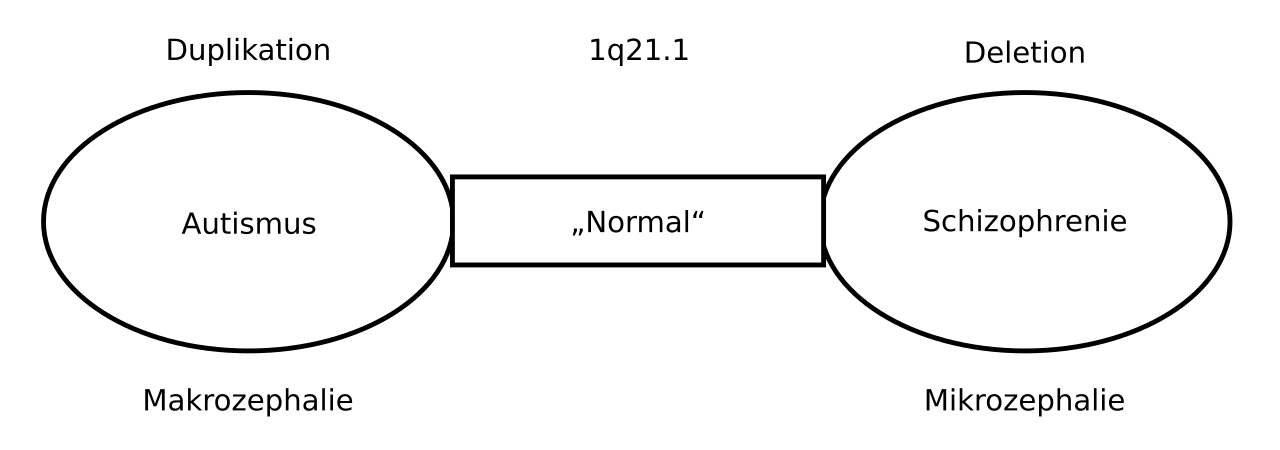
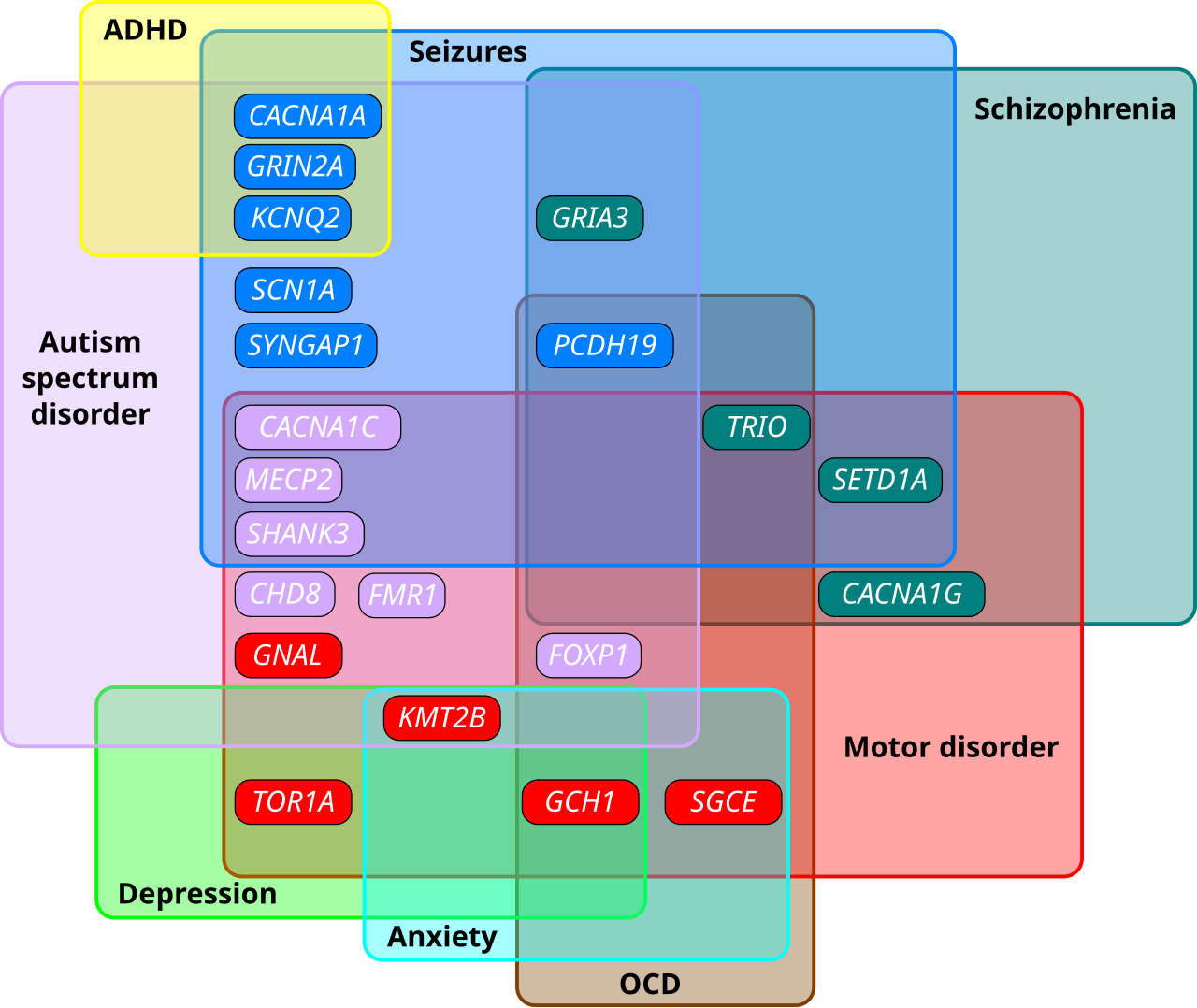
The condition is uncommon but not rare: lifetime prevalence sits between 0.3 and 0.7 percent. Globally, an estimated 24 million people were living with schizophrenia in 2022, with roughly 1.1 million new cases reported in 2017. Males are diagnosed more frequently and tend to experience onset at a younger age than females. Comorbid conditions are widespread—mood disorders, anxiety disorders, substance use disorders, and obsessive-compulsive disorder frequently co-occur. The interplay of common and rare genetic variants with environmental exposures such as urban upbringing, childhood adversity, adolescent cannabis use, prenatal infections, parental age, and poor nutrition during pregnancy shapes individual risk.
Prognosis and the Weight of Living With It
The long-term trajectory of schizophrenia is deeply uneven. Approximately half of those diagnosed will see a marked improvement over the years, with no further relapses, and a small subset among them will recover completely. The other half face a lifelong impairment that shapes every dimension of daily existence. In severe presentations, hospital admission becomes necessary.
Beyond the clinical picture, the social toll is profound. Long-term unemployment, poverty, homelessness, exploitation, and victimization are commonly correlated with the condition. Physical health problems run higher than in the general population, and the average life expectancy is reduced by twenty to twenty-eight years. Suicide claims roughly five percent of those living with schizophrenia, and in 2015 an estimated 17,000 deaths worldwide were linked to the disorder. The convergence of untreated or poorly managed symptoms, social isolation, and limited access to supportive services creates a compounding cycle that makes recovery not merely a medical question but a structural one. For those in countries where community-based support is scarce or absent, the safety net is thinner, and the consequences of relapse are steeper.
Treatment and the Path Forward
Antipsychotic medication forms the backbone of schizophrenia treatment, with agents such as olanzapine and risperidone being commonly prescribed. These drugs are typically paired with counseling, job training, and social rehabilitation to address the broader functional needs of the individual. Most antipsychotics produce meaningful improvement in symptoms, and clozapine stands out as the most effective option overall. However, up to one-third of patients do not respond to their initial antipsychotic, at which point clozapine is generally offered as the next line of defense. Side-effect profiles vary considerably across medications and play a central role in guiding which drug a clinician selects.
When a person poses a risk of harm to themselves or others, physicians may impose short involuntary hospitalization. Long-term inpatient care remains in use for a small number of individuals with severe, treatment-resistant presentations, and in countries where community-based supportive services are limited or unavailable, extended hospital stays become more common. The treatment landscape thus reflects not only pharmacological science but also the availability of social infrastructure, making the path to stability as much a question of resources as of biology.
Gallery



Frequently Asked Questions
Who is Schizophrenia?
Schizophrenia is a chronic mental disorder defined by psychotic symptoms—hallucinations, delusions, disorganized thinking or behavior—alongside flattened or inappropriate emotional expression. Diagnosis relies on clinician-observed behavior and the individual's reported experiences rather than any single biomarker test.
What are Schizophrenia's powers/role?
The condition manifests through a constellation of effects: perceptual disturbances, fixed false beliefs, incoherent speech or actions, and blunted affect. It also produces measurable cognitive deficits in memory, attention, and executive functioning that persist even when overt psychosis is controlled.
When does Schizophrenia's story begin?
Symptoms typically emerge in a gradual, insidious fashion during late adolescence or young adulthood rather than appearing all at once. Early prodromal changes in thinking and social behavior often precede the first full psychotic episode by months or years.
Why is Schizophrenia important?
The disorder affects roughly 0.3% to 0.7% of people over a lifetime, with an estimated 24 million individuals living with it worldwide in 2022. Its burden is profound: it shortens life expectancy by 20 to 28 years and carries an overall suicide mortality rate of about 5%.
More in Diseases And Conditions 1-15
Spotted an error? Know more?
This is a living reference — every entry is fact-audited, and reader corrections feed straight into our audit queue. Suggest an edit · See this site's audit record