
Rotavirus
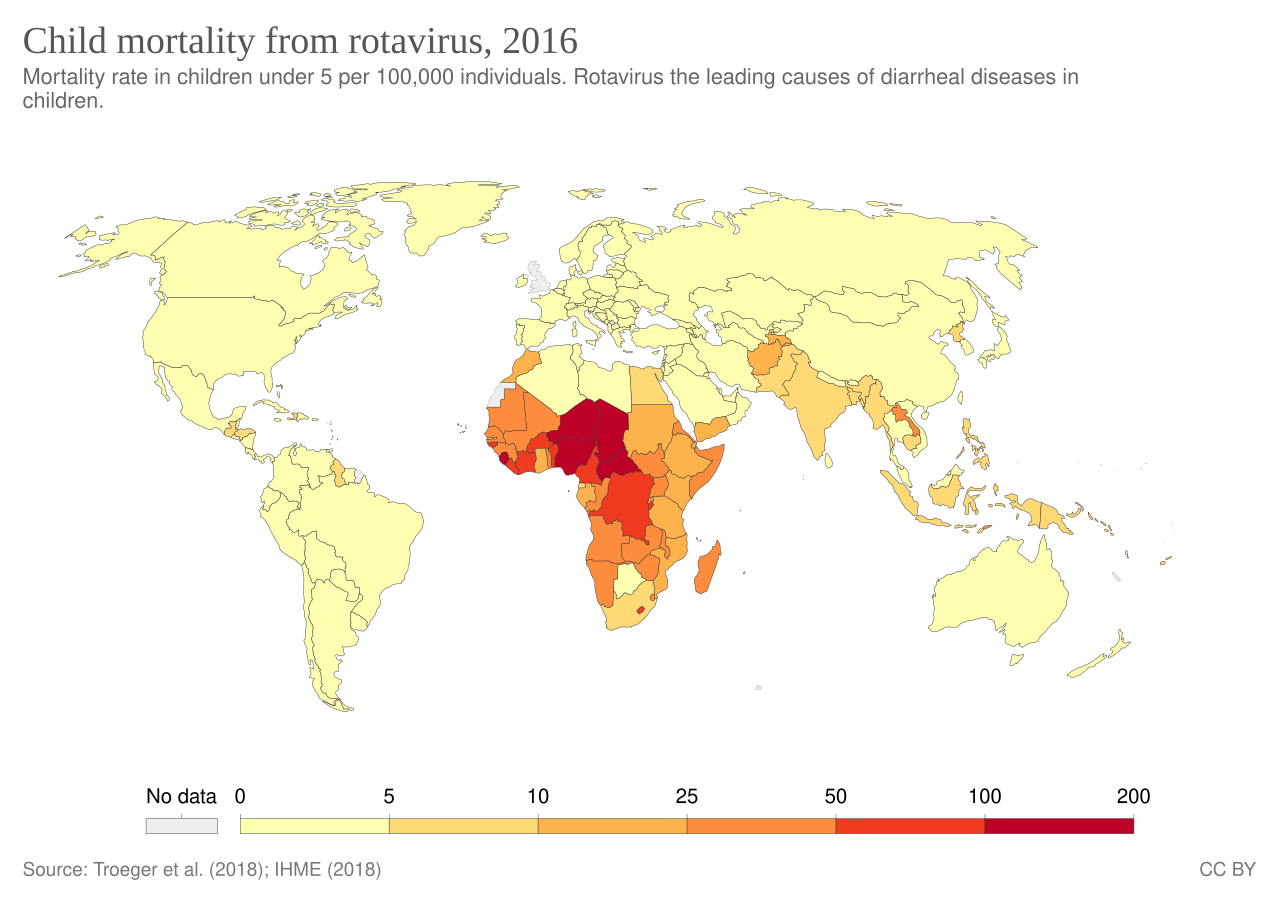
Rotavirus is the leading cause of severe diarrhoea in young children worldwide.

Bernadeta Dadonaite and Hannah Ritchie · CC BY 4.0
Rotaviruses are the most common cause of diarrhoeal disease among infants and young children.
- discoverer
- Ruth Bishop and colleagues
- field
- Virology
- affected_population
- Infants and young children under 5
- known_for
- Leading cause of severe diarrhoea in children; rotavirus vaccine reduced hospitalisations
Lore & Background
Rotaviruses are transmitted via the faecal–oral route and infect cells lining the small intestine, causing gastroenteritis. Nearly every child is infected by age five, with subsequent infections less severe due to developing immunity. Adults are rarely affected. The virus is a genus of double-stranded RNA viruses in the family Reoviridae, with 11 species (RVA through RVL); RVA causes over 90% of human infections. Group A rotaviruses contain serotypes defined by VP7 (G types) and VP4 (P types), with common human combinations including G1P[8], G2P[4], and G9P[8]. The genome consists of 11 unique double-stranded RNA segments, encoding six structural proteins (VP1–VP7) and six nonstructural proteins (NSP1–NSP6). VP4 initiates cell attachment, and NSP4 is a viral enterotoxin that induces diarrhoea.
Reader's Guide
Public health efforts focus on oral rehydration therapy and routine childhood vaccination. The virus also infects livestock and other animals, with species-specific strains. The rotavirus vaccine has been a key intervention, reducing incidence and severity in countries with routine immunisation policies. Understanding rotavirus replication—including its evasion of host immune responses via double-stranded RNA protection—continues to inform vaccine and therapeutic development.
Did You Know?
- Nearly every child in the world is infected with rotavirus at least once by the age of five.
- NSP4 is the first viral enterotoxin discovered and induces diarrhoea.
- Rotavirus has 11 species, with RVA causing more than 90% of human infections.
The Leading Pediatric Pathogen
Rotavirus stands as the single most common viral agent responsible for severe gastroenteritis in children worldwide. Among pediatric infectious diarrhea episodes, viruses account for roughly seventy percent of cases, and rotavirus dominates that viral category. What makes this pathogen particularly noteworthy is its geographic consistency: it produces comparable infection rates in both developed and developing nations, meaning no region is spared from its reach. In contrast, adults encounter rotavirus far less frequently because repeated exposures build up acquired immunity over a lifetime, shifting the burden squarely onto younger populations. Children who contract rotavirus typically experience a full recovery within a window of three to eight days, a relatively contained illness period compared to some bacterial causes that can persist for weeks. The condition generally presents with both diarrhea and vomiting, sometimes accompanied by abdominal cramps, fever, fatigue, and muscle aches. Symptoms tend to emerge between twelve and seventy-two hours after the child encounters the virus. Because rotavirus is so prevalent in the pediatric age group and produces similar rates across all economic settings, it remains a central focus of global child-health surveillance and intervention programs.
A Devastating Global Toll
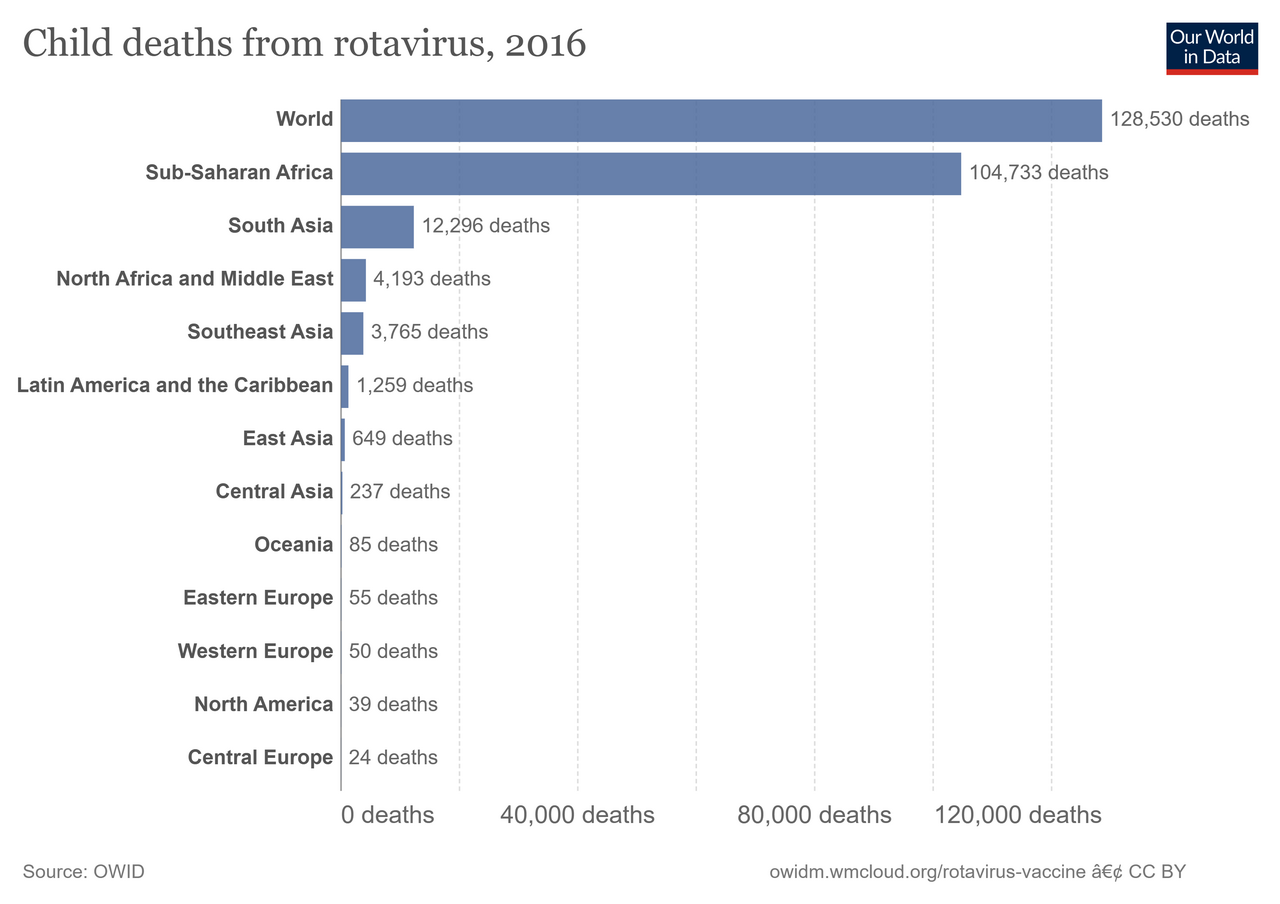
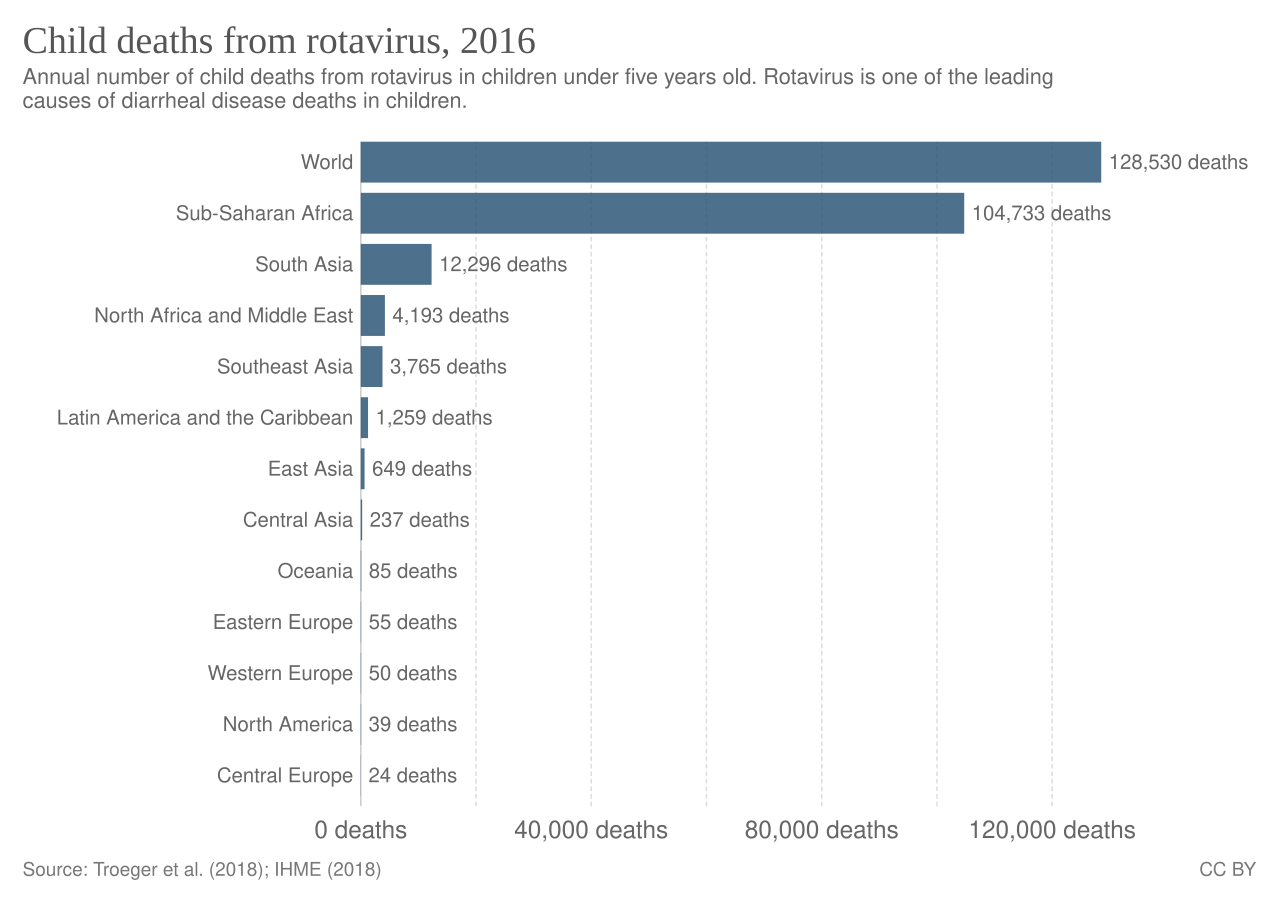
The human cost of gastroenteritis, driven heavily by rotavirus in the youngest children, is staggering on a global scale. In 2021 alone, an estimated 4.67 billion cases of the condition were recorded worldwide, claiming 1.17 million lives. A decade earlier, in 2011, roughly 1.7 billion cases were documented, and approximately 700,000 of those deaths involved children under the age of five. The impact is not evenly distributed: children and populations in the developing world bear the heaviest share of the burden. In the poorest regions, children under two years old can suffer six or more separate gastroenteritis episodes in a single year, a relentless cycle that compounds nutritional deficits and weakens developing bodies. Beyond the immediate danger of each infection, repeated bouts of severe diarrhea carry long-term consequences. Stunted physical growth and lasting cognitive delays have been linked to these repeated episodes, meaning the virus's damage extends well past the three-to-eight-day recovery window. In areas where sanitation infrastructure is poor and malnutrition is widespread, reinfection becomes a near-constant threat, trapping communities in a vicious loop of illness, undernourishment, and impaired development that can span an entire childhood.
Prevention Strategies and the Vaccine
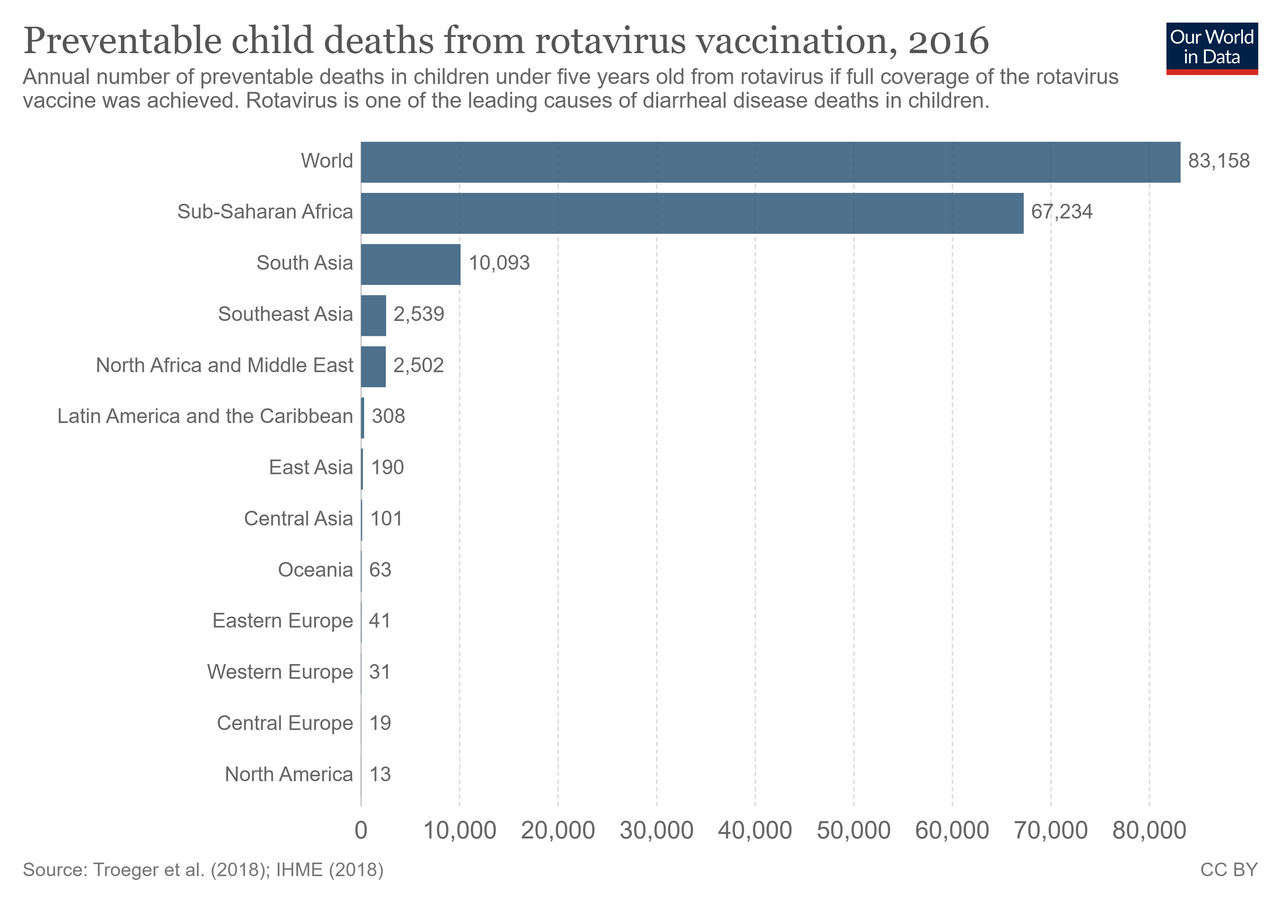
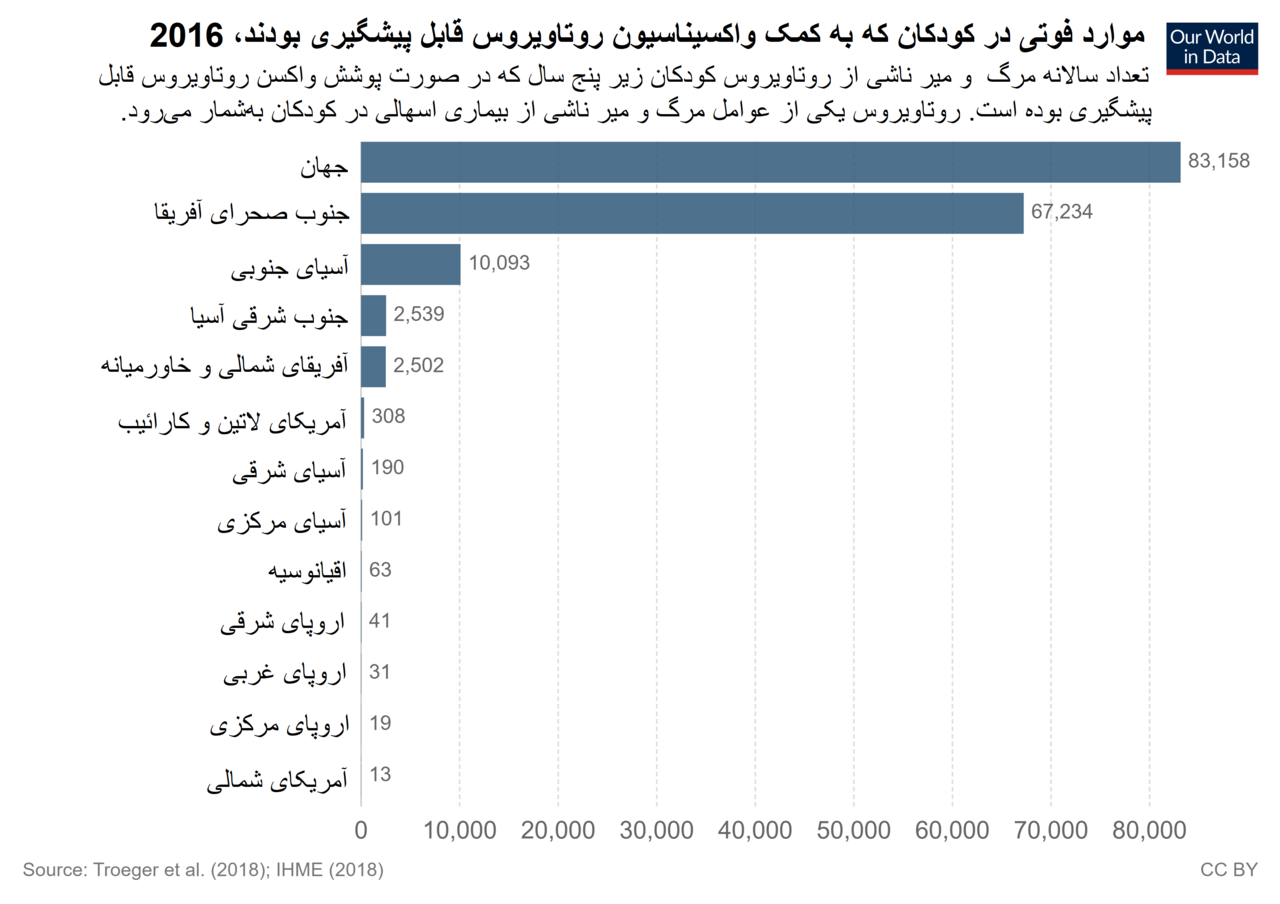
Because rotavirus spreads readily through contaminated food, tainted water, and close personal contact with an infected individual, prevention in vulnerable populations hinges on a combination of public-health measures and medical intervention. In impoverished regions, the foundational steps are straightforward yet often inaccessible: washing hands with soap, ensuring access to clean drinking water, breastfeeding infants rather than relying on formula, and properly disposing of human waste to prevent environmental contamination. These measures address the transmission pathways that allow the virus to circulate among children who lack both immunity and consistent hygiene habits. On the medical front, the rotavirus vaccine is specifically recommended as a preventive tool for children, offering a targeted shield against the pathogen that causes the most severe pediatric gastroenteritis. Zinc supplementation is also advised for children as part of the broader management strategy. The fact that treatment protocols are generally the same whether or not a definitive diagnosis is confirmed underscores how critical it is to prevent the infection in the first place, since the primary therapeutic goal is simply maintaining adequate fluid balance in a body rapidly losing water and electrolytes.
Treatment, Dehydration, and Serious Complications
Managing a rotavirus infection centers on replacing the fluids and electrolytes lost through diarrhea and vomiting. For mild to moderate cases, oral rehydration solution—a carefully balanced mixture of water, salts, and sugar—typically suffices to restore hydration. Breastfed children are encouraged to continue nursing throughout the illness, as this provides both fluids and nutritional support. In more severe presentations, intravenous fluid administration becomes necessary, and in some situations a nasogastric tube is used to deliver fluids directly into the stomach. Zinc supplementation is recommended for children as an adjunct to fluid therapy. Antibiotics are generally unnecessary for viral gastroenteritis, though they are advised for young children presenting with both fever and bloody diarrhea, a combination pointing toward a bacterial co-infection. The most dangerous complication is severe dehydration, identifiable in children by prolonged capillary refill, poor skin turgor, and abnormal breathing patterns. Beyond dehydration, certain related infections can trigger reactive arthritis in about one percent of cases, Guillain–Barré syndrome in roughly 0.1 percent, and hemolytic uremic syndrome—characterized by low platelet counts, impaired kidney function, and red blood cell breakdown—particularly in children exposed to Shiga toxin-producing organisms.
Gallery
Frequently Asked Questions
Who is Rotavirus?
Rotavirus is a virus that sits at the very top of the list for causing diarrhoeal illness in babies and toddlers under the age of five. It is one of the most recognised names in paediatric infectious disease.
What is Rotavirus's 'role' in the story?
It accounts for roughly one-third of all hospital admissions for severe diarrhoea among infants and young children worldwide. Despite that scale, its public-health significance was long underestimated, particularly in developing countries.
Who does Rotavirus target?
Its primary victims are infants and young children under five years old, whose immune systems have not yet built up adequate protection. Adults can pick it up, but they rarely develop the severe, dehydrating illness that makes it so dangerous in little kids.
How does the Rotavirus 'story' end?
The introduction of rotavirus vaccines has dramatically cut the number of hospitalisations caused by the virus. It now stands as one of the great success stories in modern paediatric public health.
More in Diseases And Conditions 1-15
Spotted an error? Know more?
This is a living reference — every entry is fact-audited, and reader corrections feed straight into our audit queue. Suggest an edit · See this site's audit record